Table of Contents
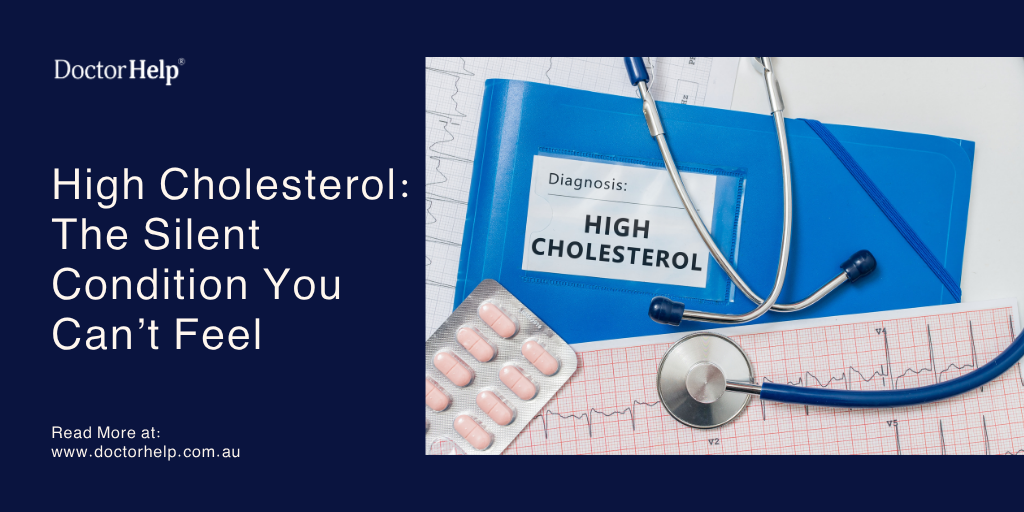
Here’s the frustrating thing about high cholesterol.
Most of the time, you can’t feel it.
It doesn’t usually give you a headache. It doesn’t make your chest hurt in the early stages. It doesn’t tap you on the shoulder and say, “Hey, your arteries need attention.”
You can feel completely normal and still have cholesterol quietly building risk in the background.
That’s why high cholesterol catches so many people off guard. They only discover it after a routine blood test, a health check, or sometimes after a much bigger scare.
And by then, many people say the same thing:
“But I felt fine.”
Exactly.
That’s the problem.
What cholesterol actually is
Cholesterol is not automatically bad.
Your body needs cholesterol to make hormones, build cells, and function properly. The issue is not cholesterol itself. The issue is the type, the level, and your overall heart risk.
You’ve probably heard of LDL and HDL.
LDL is often called “bad cholesterol” because higher levels can contribute to fatty build-up in the arteries.
HDL is often called “good cholesterol” because it helps carry cholesterol away from the bloodstream and back to the liver.
That’s the simple version.
But your cholesterol result is usually more than just one number. A lipid blood test may look at:
- total cholesterol
- LDL cholesterol
- HDL cholesterol
- triglycerides
- non-HDL cholesterol
- cholesterol ratios
Your doctor then looks at those results alongside your age, blood pressure, smoking history, diabetes risk, family history, weight, and other health factors.
Because cholesterol numbers don’t live in isolation.
They sit inside your overall heart risk.
Why high cholesterol is called silent
High cholesterol is often described as silent because it usually does not cause symptoms until it has already contributed to damage.
Over time, too much LDL cholesterol can help form plaque inside artery walls. This can narrow arteries and affect blood flow.
That process can increase the risk of heart attack and stroke.
And the scary part is that this can happen quietly over years.
That is why waiting for symptoms is not a good strategy.
You don’t check cholesterol because you feel unwell.
You check it because you want to know your risk before something goes wrong.
“But I eat pretty well”
This is where people often get surprised.
Diet matters, yes. Saturated fats, highly processed foods, excess calories, alcohol intake, low fibre intake, and weight gain can all play a role.
But cholesterol is not only about diet.
Genetics matter too.
Some people eat carefully and still have high LDL because their body naturally produces or handles cholesterol differently. Others may have high cholesterol because of other health conditions, such as diabetes, thyroid problems, kidney disease, or medication effects.
So if your cholesterol is high, it doesn’t mean you failed.
It means you need to understand what is happening.
Who should think about testing?
Many adults should have cholesterol checked as part of routine preventive healthcare, especially as they get older.
You should speak to a doctor about a lipid blood test if you:
- are over 40
- have high blood pressure
- smoke or vape
- are overweight, especially around the waist
- have diabetes or pre-diabetes
- have a family history of heart disease or stroke
- have a family history of high cholesterol
- have an underactive thyroid
- are taking medications that may affect cholesterol
- have not had blood tests for several years
For some people, testing earlier makes sense.
Especially if there is strong family history.
Do you need to fast?
Sometimes, yes. Sometimes, no.
Many cholesterol tests can be done non-fasting, but your doctor may request a fasting lipid profile depending on your situation, especially if triglycerides need clearer assessment.
The important thing is not to guess.
Ask the doctor what type of test is right for you.
What happens if cholesterol is high?
Treatment depends on the result and your overall risk.
For some people, lifestyle changes may be enough.
That can include:
- improving diet quality
- reducing saturated fat
- increasing fibre
- exercising regularly
- losing weight if needed
- reducing alcohol
- stopping smoking
- improving sleep and stress management
For others, medication such as a statin may be recommended.
That decision depends on risk, not fear.
The goal is not to put everyone on tablets. The goal is to reduce the chance of heart attack and stroke in the people who need protection most.
How Doctor Help can assist
Doctor Help offers private telehealth consultations with Australian-registered doctors from $35.99.
If you are concerned about high cholesterol, family history, heart risk, or you simply have not had blood tests for a long time, a Doctor Help GP may be able to discuss your situation and provide a pathology referral for a lipid blood test where clinically appropriate.
You can then review your results with a doctor and understand what they actually mean.
Not just “high” or “normal”.
But what they mean for you.
The bottom line
High cholesterol is not something you can reliably feel.
That is what makes it dangerous.
You can be working, parenting, exercising, living normally — while your cardiovascular risk is slowly changing in the background.
A simple blood test can give you information that symptoms often won’t.
So if you’re over 40, have family history, or haven’t checked your cholesterol in years, it may be time.
Not because you’re sick.
Because prevention is much easier than repair.
Disclaimer:
This article is general information only. It does not replace medical advice. Cholesterol testing, interpretation and treatment decisions should be discussed with a doctor.
References
- Heart Foundation Australia — cholesterol and heart health
- Healthdirect Australia — cholesterol / heart disease information
- Australian Government / RACGP cardiovascular risk guidance