Table of Contents
Pre-diabetes sounds harmless at first.
The word “pre” makes it feel unfinished. Not diabetes. Not serious. Not urgent. Something you can probably deal with later.
But that can be misleading.
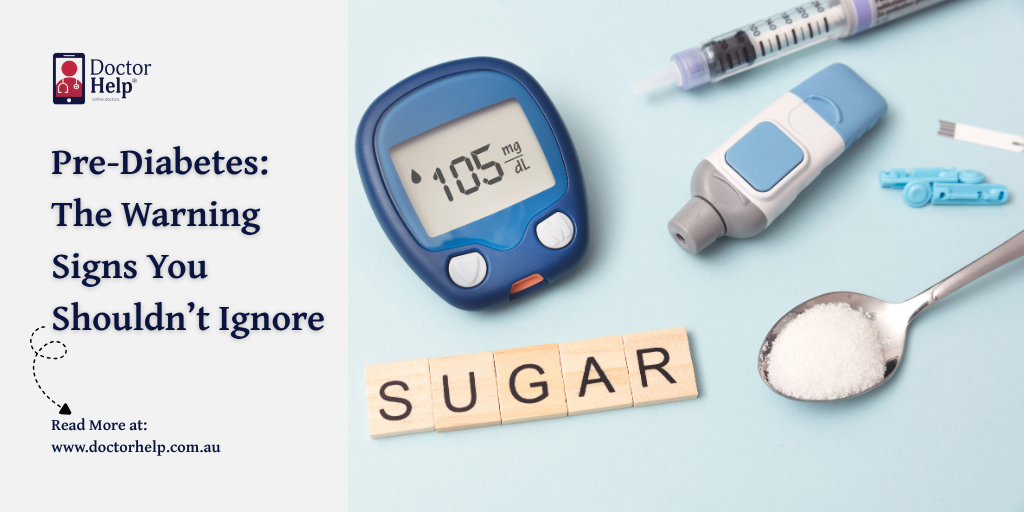
Pre-diabetes means your blood glucose levels are higher than normal, but not high enough to be diagnosed as type 2 diabetes. It is not a life sentence, but it is a warning sign. Your body is telling you that the way it handles sugar and insulin may be starting to change.
And the earlier you know, the more room you usually have to act.
That is the part worth paying attention to.
Why pre-diabetes is easy to miss
Most people with pre-diabetes do not feel obviously sick.
That is what makes it so easy to ignore.
You may not be constantly thirsty. You may not be waking up all night to urinate. You may not have dramatic symptoms at all. In fact, many people only find out after a routine blood test, a health check, or a doctor reviewing risk factors such as weight, blood pressure, cholesterol or family history.
For some people, there are little clues.
Nothing dramatic.
Just patterns.
Feeling sleepy after a carb-heavy meal. Craving sugar in the afternoon. Carrying more weight around the middle. Struggling to lose weight even when you are trying. Feeling tired despite eating enough.
None of these prove pre-diabetes.
But if they keep showing up, they are worth taking seriously.
The “I’m just busy” trap
A lot of people explain away the early signs of metabolic change.
“I’m getting older.”
“I eat too much rice.”
“I sit too much at work.”
“I just need to walk more.”
“I’m tired because life is busy.”
Sometimes that is true.
But sometimes those patterns are your body asking for attention.
Pre-diabetes is not usually something you feel in one clear moment. It builds quietly. Blood sugar rises gradually. Insulin has to work harder. The body compensates for a while, until it cannot keep up as easily anymore.
That is why waiting for obvious diabetes symptoms is not the best plan.
By the time symptoms become clear, blood sugar may already be much higher.
What insulin resistance actually means
Insulin is the hormone that helps move glucose from your blood into your cells, where it can be used for energy.
When your body becomes insulin resistant, your cells do not respond to insulin as well as they should. So your pancreas has to make more insulin to get the same job done.
For a while, this can keep blood sugar looking reasonably controlled.
But underneath, the system is working harder.
Over time, blood glucose can start to rise into the pre-diabetes range. If nothing changes, the risk of type 2 diabetes increases.
This is why pre-diabetes is often linked with other metabolic concerns such as:
- weight around the waist
- high blood pressure
- high triglycerides
- low HDL cholesterol
- fatty liver
- polycystic ovary syndrome
- sleep apnoea
- family history of type 2 diabetes
It is rarely just about sugar.
It is usually about the whole metabolic picture.
Risk factors that matter
Some risk factors can be changed. Others cannot.
That does not mean you should feel guilty about them. It just means they help decide whether testing makes sense.
You may be at higher risk of pre-diabetes if you:
- carry extra weight, especially around the waist
- are physically inactive
- have high blood pressure
- have high triglycerides or low HDL cholesterol
- smoke or vape
- have a family history of type 2 diabetes
- have had gestational diabetes
- have polycystic ovary syndrome
- are from a higher-risk ethnic background
- are Aboriginal and/or Torres Strait Islander or Pacific Islander
- have been told your blood sugar was borderline before
Waist measurement can be particularly useful because abdominal weight is closely linked with insulin resistance and metabolic risk.
This is not about body shame.
It is about understanding risk early enough to do something about it.
The symptoms people look for — and why waiting can be risky
Classic diabetes symptoms can include:
- increased thirst
- frequent urination
- blurred vision
- feeling very tired
- slow-healing wounds
- unexplained weight changes
- recurrent infections
But pre-diabetes often does not cause these symptoms.
That is why relying on how you feel can be misleading.
You might feel completely normal and still have blood sugar creeping upward.
Or you might feel tired and sluggish for reasons unrelated to blood sugar.
This is where testing helps.
It turns a vague worry into useful information.
What blood tests check pre-diabetes?
A doctor may request blood tests to assess your blood sugar and broader metabolic health.
Common tests may include:
| Test | What it checks | Why it matters |
| HbA1c | Average blood sugar pattern over the past 2–3 months | Useful for screening and monitoring blood glucose trends |
| Fasting blood glucose | Blood sugar after fasting | Helps assess impaired fasting glucose |
| Oral glucose tolerance test | How your body handles glucose after a measured glucose drink | May be used when results need clarification |
| Fasting lipids | Cholesterol and triglycerides | Pre-diabetes often overlaps with cardiovascular risk |
| Liver function test | Liver enzymes and related markers | Fatty liver is commonly linked with insulin resistance |
| Kidney function | Kidney markers and electrolytes | Important baseline information for metabolic health |
| Full blood count | General blood health | Helps assess other causes of fatigue |
Not everyone needs every test.
The right blood work depends on your symptoms, age, family history, weight pattern, medications, blood pressure, previous results and overall risk.
Why HbA1c is useful
HbA1c is helpful because it gives a broader picture than a single finger-prick or one-off glucose reading.
It reflects your average blood sugar over the past few months.
That makes it useful when someone says:
“I feel sleepy after meals.”
“My energy crashes in the afternoon.”
“I have a family history of diabetes.”
“I haven’t checked my blood sugar in years.”
But HbA1c is not perfect. Some conditions can affect the result, and your doctor may decide that fasting glucose or an oral glucose tolerance test is needed as well.
The important thing is that results should be interpreted properly, not guessed from symptoms alone.
Can pre-diabetes be reversed?
Often, pre-diabetes can improve.
But let’s be careful with language.
It is not automatically reversible for every person in every situation. Genetics, age, medications, weight, sleep, stress, hormones, pregnancy history and other health conditions all matter.
But many people can reduce their risk of progressing to type 2 diabetes through sustained lifestyle changes.
The most useful changes are usually simple, but they need consistency:
- losing weight if overweight
- walking regularly, especially after meals
- reducing sugary drinks
- reducing ultra-processed foods
- choosing high-fibre carbohydrates
- eating more protein and vegetables
- improving sleep
- reducing alcohol
- stopping smoking or vaping
- building muscle through resistance exercise
- managing blood pressure and cholesterol
No crash diet needed.
No two-week miracle plan.
Just steady changes that make your body more responsive to insulin over time.
The waistline clue
Carrying extra weight around the middle is one of the most common clues that insulin resistance may be part of the picture.
Again, this is not about appearance.
Someone can be slim and still have metabolic risk. Someone else can be overweight and actively improving their blood sugar through walking, food changes and better sleep.
The scale does not tell the whole story.
But waist measurement, blood pressure, cholesterol, triglycerides, blood sugar and liver markers together can tell a much clearer one.
That is why a baseline health check can be so useful.
What about Medicare and pathology costs?
A doctor can provide a pathology referral where clinically appropriate.
The cost of blood tests can depend on the tests requested, Medicare eligibility, the pathology provider, and whether the provider bulk bills those tests.
Some pathology tests may be bulk billed for eligible Medicare patients. Others may involve an out-of-pocket cost.
Doctor Help’s private telehealth consultation fee is separate from any pathology billing that may apply through the pathology provider.
Before having blood collected, it is reasonable to ask the pathology collection centre whether any fees apply.
A clearer way to check your risk
If you are worried about pre-diabetes, insulin resistance, sugar cravings, family history, weight around the middle or energy crashes after meals, you do not need to sit there guessing.
Through Doctor Help, you can book a private telehealth consultation with an Australian-registered doctor from $35.99.
The doctor can discuss your symptoms, risk factors, medical history and lifestyle. Where clinically appropriate, they may provide a digital pathology referral for tests such as HbA1c, fasting glucose, cholesterol, liver function and other relevant markers.
If your results suggest pre-diabetes or increased metabolic risk, the next step is not panic.
It is a plan.
That may include lifestyle changes, repeat testing, monitoring, referral to other health professionals, or medication discussion in some cases where clinically appropriate.
The aim is to know where you stand.
Because once you know your numbers, you can make better decisions.
The warning stage is the best time to act
Pre-diabetes should not be ignored.
But it should not be treated like a disaster either.
It is a warning stage — and warning stages are useful when you respond early.
If you are over 40, carry weight around your middle, have a family history of type 2 diabetes, had diabetes during pregnancy, have PCOS, high blood pressure, high triglycerides, or feel like your energy crashes after carb-heavy meals, it may be worth checking your blood sugar properly.
Not because you should panic.
Because you may still have time to change the direction.
A simple HbA1c or fasting glucose test can give you a starting point. From there, a doctor can help you understand what your results mean and what to do next.
Disclaimer:
This article provides general information only and does not replace personal medical advice. Pre-diabetes, diabetes risk and metabolic health concerns should be assessed by a qualified healthcare professional. Pathology referrals, diagnosis and treatment decisions are always subject to the clinical assessment of the treating doctor. In an emergency, call 000 or attend your nearest emergency department.
References
- Healthdirect Australia — Pre-diabetes
https://www.healthdirect.gov.au/pre-diabetes - Diabetes Australia — Prediabetes
https://www.diabetesaustralia.com.au/about-diabetes/pre-diabetes/ - NDSS — Understanding prediabetes
https://www.ndss.com.au/about-diabetes/resources/find-a-resource/understanding-pre-diabetes-fact-sheet/ - Australian Government — AUSDRISK diabetes risk tool
https://www.health.gov.au/resources/apps-and-tools/the-australian-type-2-diabetes-risk-assessment-tool-ausdrisk?language=en - RACGP — Management of type 2 diabetes guidance
https://www.racgp.org.au/clinical-resources/clinical-guidelines/key-racgp-guidelines/view-all-racgp-guidelines/management-of-type-2-diabetes/type-2-diabetes-goals-for-optimum-management